Blooms & Greenery: The Floral Foliage Wedding Invitation
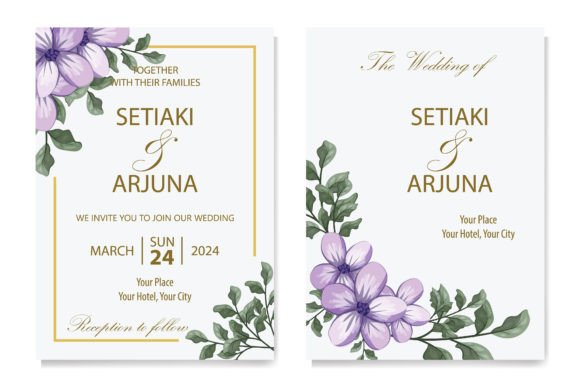
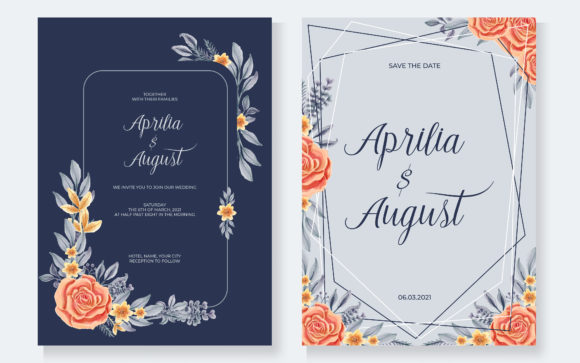
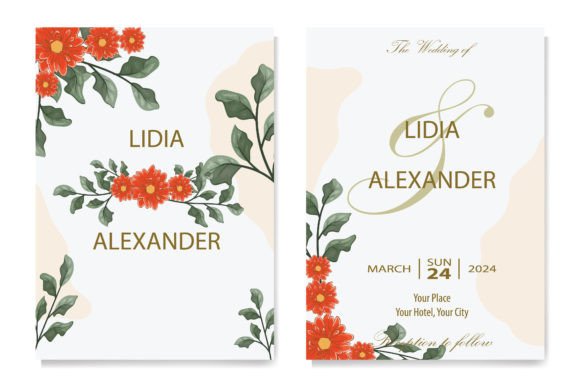
The first impression of a wedding is often not the venue or the dress, but a small, elegant envelope that arrives in the mail. It sets the entire emotional tone for the celebration to come. The Floral Foliage Wedding Invitation, with its intricate blooms and lush greenery, is a masterclass in this kind of storytelling. It doesn't just announce a date; it whispers a promise of romance, natural beauty, and a thoughtfully curated day. This design philosophy—where every petal and leaf is rendered with precision and purpose—offers a powerful lesson for anyone working in branding, design, or content creation. It demonstrates how a single visual asset can embody a complete narrative, making it a versatile and inspiring model for projects far beyond the wedding aisle.
A Botanical Motif for Modern Branding
The visual language of the Blooms & Greenery style is incredibly effective for building a brand identity that feels both timeless and approachable. Imagine a boutique skincare line or a artisanal bakery. Using a design system inspired by these delicate floral elements and verdant foliage instantly communicates themes of growth, purity, and handcrafted care. The soft color palette of blush pinks, sage greens, and ivory provides a sophisticated foundation that is easy on the eyes and versatile across applications. A small business owner could use this motif on their packaging, where a subtle leaf pattern frames the product name, or on their social media graphics, creating a cohesive and recognizable aesthetic. The key is consistency; using the same botanical elements, color values, and typographic style across your logo, website, and print materials builds immediate brand recognition and a professional presentation that resonates with an audience seeking authenticity and quality.
From Screen to Stationery: Practical Applications
The true test of a great design asset is its adaptability. The floral foliage motif shines in this regard, offering solutions for both digital and physical projects. For content creators and bloggers, these elements can transform a simple website header into an inviting portal or turn a standard blog post about gardening or wellness into an immersive visual experience. In editorial design, think of a magazine feature on sustainable living; using this botanical style for pull quotes and section dividers adds a layer of elegance and thematic reinforcement. The principles are equally powerful in marketing assets. A Facebook ad for a florist or a Pinterest graphic for a DIY project gains immediate visual appeal and context when framed with these natural illustrations. Even digital products, like a planner template or a social media kit, can be elevated with this touch of organic sophistication, making them feel more premium and desirable.
The Art of Font Pairing and Readability
While the floral elements are captivating, the typography used alongside them is crucial for communication. The invitation’s description hints at a blend of styles—likely a elegant serif or script font for headings paired with a clean sans-serif for body text. This is a fundamental principle in typography. When selecting fonts for a project inspired by this aesthetic, consider the hierarchy. A beautiful, flowing script font can capture the romanticism of the blooms for a logo or a headline, but it’s not suitable for paragraphs. Pair it with a highly readable serif or sans-serif font for body copy to ensure your message is clear. Always test your font pairings at the size they’ll be viewed. A combination that looks stunning on a large poster might become illegible on a mobile screen. The goal is to balance visual flair with functional clarity, ensuring your audience engages with the content, not struggles to read it.
Crafting a Cohesive Visual Narrative
What makes the Floral Foliage Wedding Invitation so effective is its cohesive narrative. Every choice—the illustration style, the paper texture, the gold foil accents—works in harmony to tell a single, compelling story. This is the essence of strong visual communication. When incorporating a botanical theme into your work, think beyond slapping a flower onto a layout. Ask yourself: What is the core emotion or message? Is it growth, celebration, serenity, or luxury? Let that guide your choices. For a wedding planner’s portfolio website, a delicate vine border might frame testimonials, symbolizing the growth of love. For a natural wine brand’s label, a bold, modern interpretation of foliage could suggest the untamed character of the vineyard. By aligning every design decision with the central theme, you move from decoration to meaningful storytelling, creating an experience that feels intentional and resonant.
Making It Work: Licensing and Final Thoughts
Before diving into any project, it’s essential to address the practical side of using design assets like premium fonts and illustrations. If you’re using a commercial font or a floral graphics pack, always review the licensing terms. Does it cover both personal and commercial use? Can you use it on merchandise or in client work? Understanding these details upfront prevents legal headaches later. For small business owners and designers, investing in a high-quality, properly licensed font or design kit is a worthwhile expense. It ensures your projects look professional and legally sound. Ultimately, the inspiration drawn from the Blooms & Greenery aesthetic is about more than just pretty flowers. It’s about harnessing the power of nature-inspired design to build trust, evoke emotion, and create beautiful, functional work that stands out in a crowded digital landscape. It’s a reminder that the most effective designs are often those that feel both meticulously crafted and effortlessly beautiful.