Elegant Soft Floral Wedding Invitation Design Guide
There's a particular feeling that comes with opening a beautifully designed wedding invitation. It’s more than just paper and ink; it’s the first tangible whisper of the day’s romance and style. For designers and couples alike, capturing that feeling of soft, organic elegance is a top priority. The right visual language sets the tone, hinting at a celebration that is both timeless and personal. This is where a thoughtfully crafted design asset becomes invaluable, not just as a template, but as a foundation for creating something truly memorable.
Understanding the Aesthetic: More Than Just Flowers
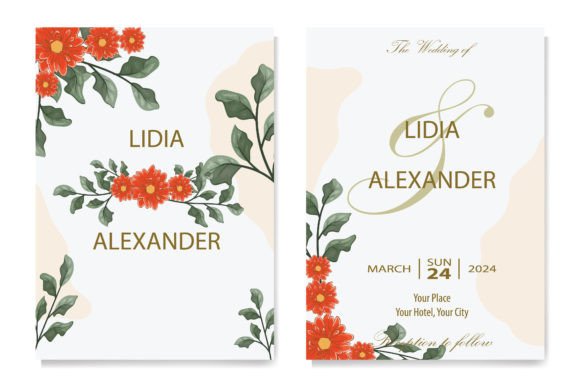
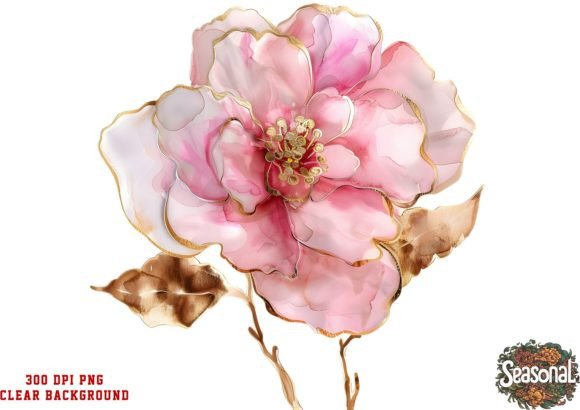
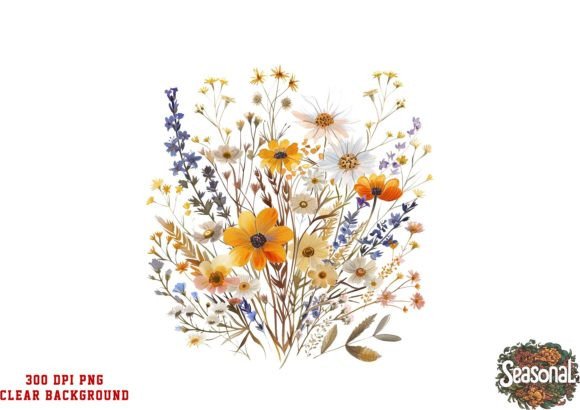
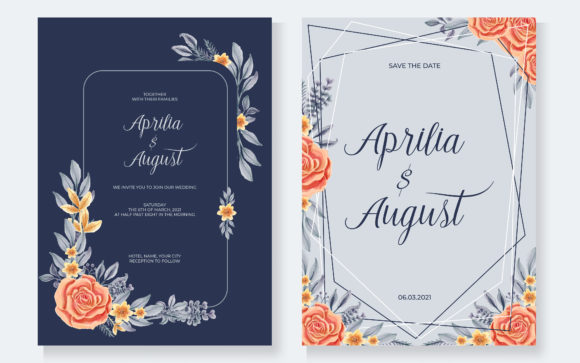
When we talk about an Elegant Soft Floral Wedding Invitation, we’re describing a specific visual vocabulary. It’s characterized by delicate, hand-drawn botanical illustrations—think gentle peonies, trailing vines, and subtle leafy accents. The color palette tends to be muted and sophisticated: dusty blues, sage greens, blush pinks, and creamy ivories that avoid harsh contrasts. Typography here is crucial; it often pairs a graceful serif or a flowing script font with a clean sans-serif for legibility, ensuring the details of the event are communicated clearly amidst the decorative elements.
This style’s appeal lies in its versatility and emotional resonance. It feels personal and crafted, avoiding the sterile look of overly digital designs. For a graphic designer, this asset is a starting point. You might use the floral elements to frame the couple’s names, create a decorative border for the RSVP card, or even extract individual blooms to use on coordinating pieces like menu cards or thank-you notes. The softness of the design allows it to complement various wedding themes, from a rustic garden party to a classic ballroom affair.
Practical Applications Beyond the Wedding Suite
While its name specifies a wedding invitation, the components of this elegant floral package have a much wider creative reach. As a design asset, it’s a toolkit for anyone working in branding, packaging, or digital content. The floral motifs and complementary typography can be deconstructed and repurposed to build a cohesive visual identity.
- Brand Identity & Logo Design: For businesses in the beauty, wellness, floral, or boutique lifestyle sectors, these soft floral elements can add a touch of sophistication and warmth to a logo or brand mark. The included script font could be used for a business name, while the serif font handles taglines or secondary information.
- Packaging & Product Design: Imagine these delicate florals wrapping around a candle box, adorning a skincare label, or gracing the sleeve of a artisan chocolate bar. The aesthetic communicates quality, care, and a natural elegance that appeals to a discerning customer.
- Social Media Graphics & Web Design: Consistency is key in digital spaces. Use the floral frames as Instagram story templates, create pinned post graphics for Pinterest, or design cohesive blog headers. The soft palette is inherently photogenic and works beautifully as a background overlay for text in web design.
- Print Materials & Merchandise: Think beyond paper. These motifs can enhance tote bags, notebooks, greeting cards, or even art prints. The display font characteristics make headlines pop, while the illustrations add value and artistic flair to merchandise.
Making It Work: Pairing, Readability, and Licensing
A beautiful asset is only as good as its implementation. When incorporating these floral elements and fonts into a project, a few practical considerations will ensure a professional result.
First, focus on font pairing. The elegance of the script or serif font included might be perfect for headlines or names, but for body text—like the event details on an invitation or a product description—you need a highly readable companion. A simple, neutral sans-serif font often provides the perfect counterbalance, ensuring clarity without competing for attention. Always test pairings at the actual size they’ll be viewed.
Second, consider readability. Floral decorations are beautiful, but they must not obscure critical information. Ensure there is enough contrast between text and background, and that decorative elements don’t crowd the text boxes. Sometimes, simplifying the layout by using fewer floral accents can create a more powerful and legible design.
Finally, understand the licensing. A commercial font or design asset typically comes with specific terms. For projects intended for sale—like a wedding invitation suite you sell on Etsy, or merchandise—you must confirm the license covers commercial use. This is non-negotiable for professional work and protects both you and your client.
A Foundation for Creative Storytelling
Ultimately, an asset like this is a collaborator. It provides the visual poetry—the soft curves of a petal, the gentle flow of a letterform—that you, the creator, weave into a larger story. Whether you’re a bride crafting her own stationery, a designer building a brand for a floral studio, or a marketer creating a campaign for a luxury product, the goal is the same: to use these elements to evoke a specific feeling and communicate a clear message. The elegance is in the application, where practicality meets artistry to create something that feels both personal and polished.