The Timeless Charm of Floral Foliage Wedding Invitations
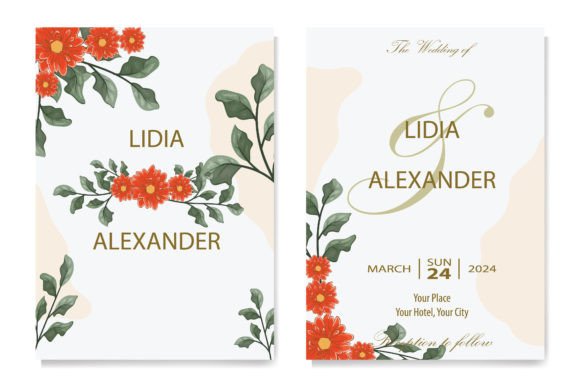
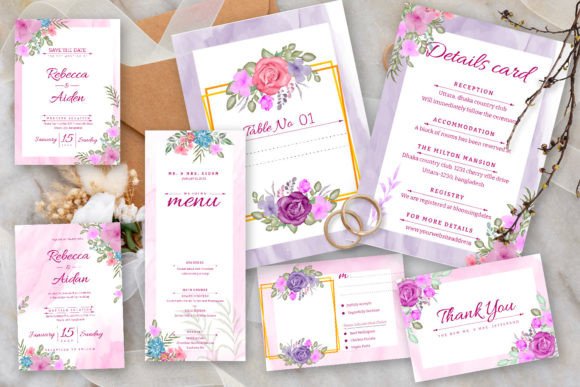
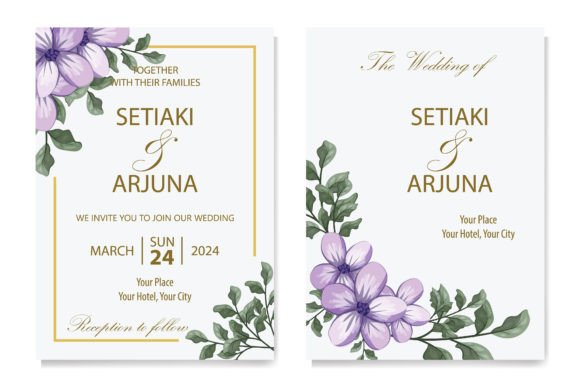
Imagine holding a piece of stationery that feels less like paper and more like a whispered promise of a beautiful day ahead. That's the magic of a Floral Foliage Wedding Invitation. It’s more than just an announcement; it's the first tangible glimpse into the aesthetic and emotion of your celebration. Decorative floral foliage ornamentation infuses your stationery with natural elegance, evoking the romance and beauty of blooming gardens. These intricate botanical motifs add a touch of sophistication and whimsy to your invitations, setting the tone for a joyous celebration of love.
Unpacking the Botanical Elements
The visual appeal of this style lies in its layered complexity and organic authenticity. It’s a design language that speaks of growth, life, and intertwined paths—perfect symbolism for a marriage. Let's break down the key components that make these designs so captivating.
Delicate Blooms and Blossoms
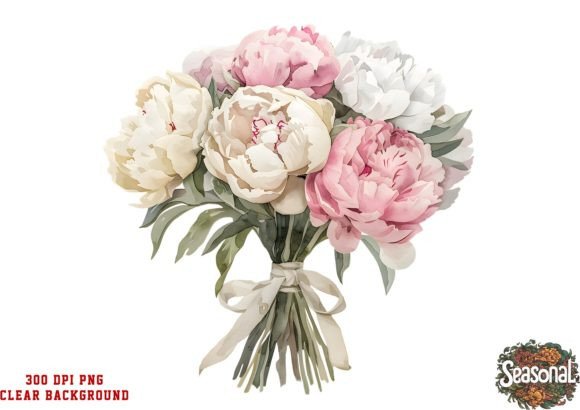
The centerpiece is often the flowers themselves, meticulously rendered with intricate detail. Roses, peonies, and lilies are popular choices, each imbued with its own symbolism of love, romance, and purity. These flowers cascade gracefully across the invitation, adding a soft, romantic allure that feels both classic and fresh.
Lush Foliage and Greenery
Interwoven with the blossoms are lush foliage and greenery, which provide essential depth and texture. Eucalyptus leaves, fern fronds, and ivy vines create a verdant backdrop, enhancing the natural beauty of the floral elements. The rich, organic shapes of the foliage infuse the invitation with a sense of vitality and abundance, making the design feel grounded and real.
Botanical Accents and Flourishes
Beyond the main blooms and leaves, you'll find charming details like berries, buds, and delicate tendrils. These small, intricate accents add a whimsical touch, a sense of discovery for the recipient who notices the tiny, thoughtful details upon closer inspection.
Beyond the Wedding Suite: A Designer's Versatile Asset
While the name suggests a specific use, the aesthetic power of floral foliage ornamentation extends far beyond a single event. For designers, marketers, and creative entrepreneurs, this style is a versatile design asset with applications across numerous projects. Its inherent connection to nature, elegance, and growth makes it a powerful visual communicator.
Consider its potential in:
- Branding & Logo Design: A boutique florist, a high-end skincare line, a wedding planner, or an organic café can use botanical motifs to instantly communicate their brand values of natural beauty, care, and sophistication.
- Packaging Design: Product packaging for artisanal goods, cosmetics, or gourmet foods gains an immediate premium feel with elegant floral borders or corner accents.
- Social Media Graphics & Web Design: Create stunning Instagram story templates, Facebook headers, or website hero sections that feel fresh, engaging, and on-brand. The organic shapes frame content beautifully.
- Print Materials & Editorial Layouts: From restaurant menus and business cards to magazine layouts and book covers, floral foliage adds a touch of artisanal quality that elevates the entire piece.
- Digital Products & Marketing Assets: Enhance the perceived value of e-books, online course materials, or email newsletters with thoughtful botanical borders or divider elements.
Integrating Botanical Elegance into Your Visual Strategy
Adopting a floral foliage style isn't just about making things pretty; it's a strategic decision that can strengthen your brand's visual communication. Here’s how to approach it practically.
Align with Your Brand Personality: First, does this aesthetic match your brand's voice? It works beautifully for brands that are romantic, artisanal, eco-conscious, luxurious, or wholesome. If your brand is stark, minimalist, or tech-forward, you might use these elements very sparingly as a surprising accent.
Prioritize Readability and Pairing: The ornate nature of floral designs means the typography you pair them with is critical. A highly decorative script font for body text will be illegible. Instead, pair intricate floral graphics with a clean, modern sans serif font or a classic serif font for the main text. Use a more expressive script font or display font for headlines or monograms, ensuring it complements rather than competes with the botanical elements. Always test your font pairing in context.
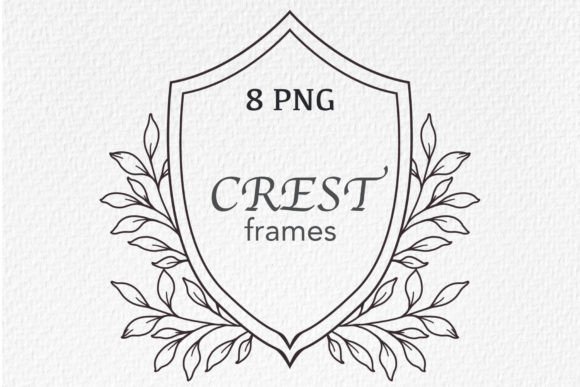
Choose the Right Level of Ornamentation: Not every project needs a full floral border. Sometimes, a single elegant vine in a corner or a subtle wreath around a logo is more powerful and versatile. Look for design assets that offer flexibility—a set that includes full borders, individual elements, and patterns gives you more control.
Consider Commercial Licensing: If you're using these designs for client work, merchandise, or digital products, ensure you have the correct commercial font and graphic licenses. Many premium design assets include licenses that cover a wide range of uses, but it's always crucial to read the terms to avoid legal issues down the line.
Choosing Your Floral Foliage Design Assets
When sourcing these elements, quality matters. A premium font or graphic set will offer cleaner lines, more detailed layers, and better versatility. Look for collections that provide:
- Multiple Formats: Files in vector formats (like SVG, AI, EPS) allow for infinite scaling without loss of quality, essential for everything from a small favicon to a large poster.
- Layered Elements: The ability to separate flowers, leaves, and accents gives you creative freedom to customize arrangements.
- Color Variations: Sets that include both full-color and single-color (monoline or outline) versions offer tremendous flexibility for different applications and printing methods.
Ultimately, incorporating floral foliage ornamentation into your design toolkit is about embracing a visual language that resonates on a deeply human level. It taps into our appreciation for nature's beauty and intricate detail. Whether you're designing a heartfelt wedding invitation, crafting a cohesive brand identity for a lifestyle business, or adding a touch of elegance to a social media campaign, these botanical elements provide a timeless and versatile foundation. The key is to use them thoughtfully, ensuring they enhance your message and align with your overall visual strategy, creating a cohesive and memorable experience for your audience.