Floral Wedding Frame: A Designer's Guide to Botanical Elegance
There’s a particular kind of magic in a well-chosen design element that instantly communicates a mood. For projects that need to whisper romance, elegance, and organic beauty, the right visual asset can do more work than paragraphs of description. This is where the power of a thoughtfully crafted floral border comes into play, especially one designed for high-resolution impact.
The Anatomy of a Botanical Design Asset
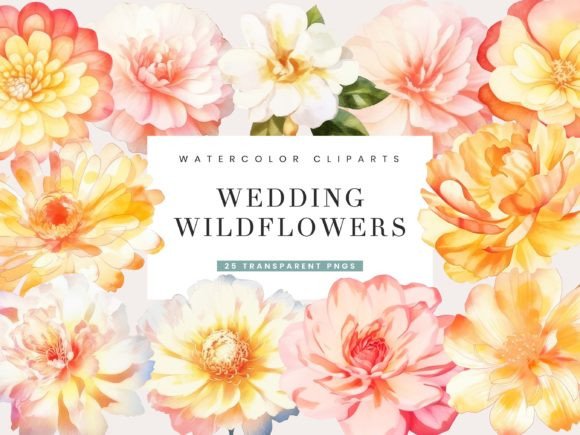
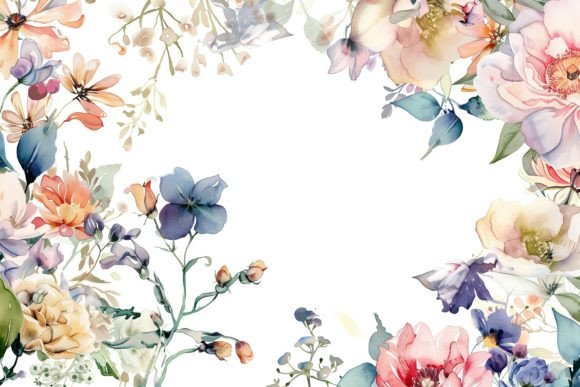
When we talk about a resource like the Floral Wedding Frame, we're describing a specific type of design component. It’s a high-quality, watercolor-style floral border, typically delivered as a JPG file at a substantial 2688 x 1792 pixels. This resolution is a practical detail that matters—it means the artwork is versatile enough for both crisp digital use and high-quality print applications without pixelation. The watercolor aesthetic is key here; it offers soft, hand-painted textures and subtle color variations that feel authentic and artistic, avoiding the flat, sterile look of vector graphics. The frame itself provides a ready-made composition, with botanical elements arranged to encircle a central space, making it immediately useful for framing text, logos, or imagery.
What makes this style visually appealing is its inherent warmth and personality. It evokes a sense of handcrafted care, which is invaluable in an age of digital uniformity. For a brand, this translates to authenticity. For an event, it sets a tone of rustic elegance or garden-party charm. The color palette, usually featuring soft greens, blush pinks, and earthy neutrals, is designed to be versatile, complementing a wide range of other design elements without overwhelming them.
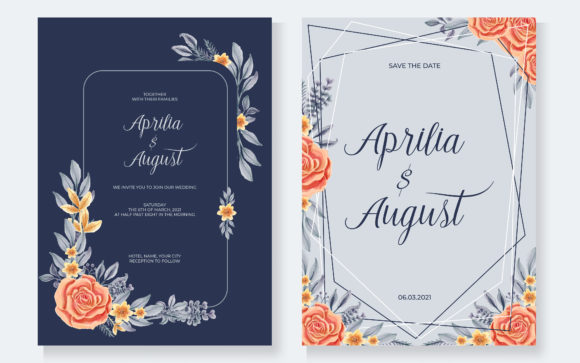
From Invitation Suites to Brand Identity Systems
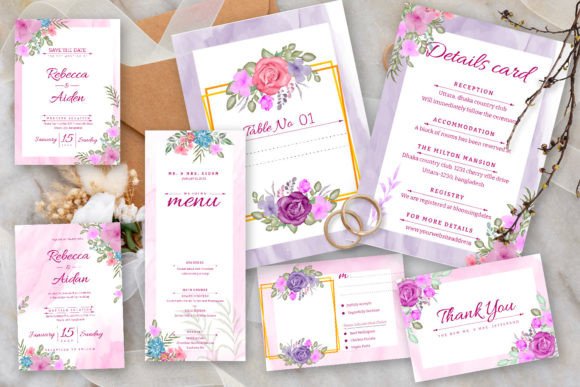
The applications for a versatile floral border extend far beyond wedding stationery. Think of it as a foundational design asset that can anchor a entire visual language. For a small business owner developing a brand identity, this frame can become a signature element. Imagine it used on the background of a business card, framing the company name with organic flair. It can define the header and footer of a website, creating a cohesive and memorable user experience. On social media, it can be a template for Instagram stories or Pinterest pins, ensuring every post carries a consistent, recognizable aesthetic.
For content creators and bloggers, it solves the perpetual challenge of creating beautiful, engaging graphics quickly. Use it to frame a recipe blog post, a tutorial title slide, or a quote graphic. In packaging design, it can add a luxurious, artisanal touch to labels, boxes, or tissue paper. For marketing materials, it can elevate a simple PDF into a polished lookbook or a newsletter into a piece of editorial design. The frame acts as a creative shortcut to professional presentation, saving hours of manual composition while maintaining a high-end result.
Making the Right Typographic Choices
Pairing a decorative floral frame with typography is where many projects succeed or falter. The goal is harmony, not competition. Since the frame is a display element with strong personality, the text it surrounds often needs to provide contrast and clarity. A common and effective strategy is to pair it with a clean, modern sans serif font for body text. This ensures readability and lets the floral artwork shine as the primary decorative element. For headlines or focal text within the frame, a complementary script font or an elegant serif typeface can be used, but with caution. The key is to limit the number of typefaces to two or three maximum to avoid visual chaos.
Always test your font pairings in context. Place your chosen typeface within the frame's central space at the actual size it will be used. Check for legibility against the background details of the watercolor artwork. Does the text remain easy to read? Does the style of the font—whether it's a premium font with delicate serifs or a bold sans serif—match the mood set by the botanicals? This testing phase is non-negotiable for achieving a professional outcome.
Strategic Integration for Maximum Impact
Using a design element like this effectively is about strategy, not just decoration. Consider how the floral frame can serve your specific project goals. For brand recognition, use it consistently across all touchpoints—your website, your social media graphics, your printed materials. This repetition builds a visual shorthand that your audience will come to associate with your brand's identity. For audience engagement, the frame's inherent beauty can stop the scroll on social media, making your content more shareable and memorable.
When selecting such an asset, review the included variations. Does the collection offer different colorways or alternative compositions? Having options allows for flexibility across seasons or campaigns. Finally, a critical but often overlooked aspect is licensing. For any commercial font or design asset, ensure the license permits your intended use, whether for client work, merchandise, or digital products. A clear commercial font license protects your project and your investment in your design toolkit.
Ultimately, incorporating a well-crafted element like the Floral Wedding Frame is about elevating your visual communication. It’s a practical tool that bridges the gap between a simple idea and a polished, professional execution, allowing you to infuse your projects with a specific, desirable aesthetic efficiently and effectively.