Wedding Flowers: Watercolor Illustrations for Elegant Projects
There’s a certain magic in hand-painted botanicals—the soft wash of color, the delicate details of a petal, the organic feel that digital art sometimes struggles to capture. For designers, crafters, and entrepreneurs working on projects that call for romance, elegance, and a touch of nature, finding the right visual assets can transform a good design into something truly special. A thoughtfully curated collection of watercolor illustrations, like the one featuring roses and hydrangeas, offers a versatile foundation for countless creative endeavors, from wedding stationery to brand identity.
More Than Just Pretty Pictures: The Versatility of Watercolor Florals
What makes a set of watercolor flowers so valuable isn't just its beauty—it's its adaptability. Imagine a suite of wedding invitations where delicate roses frame the couple's names, or a bakery's packaging where hydrangeas soften the look of a kraft paper box. These elements aren't limited to a single use. The same illustration that graces a wedding menu can be scaled down for a thank-you card, rotated for a blog header, or recolored to match a brand's palette. This kind of flexibility is essential for maintaining visual consistency across multiple touchpoints.
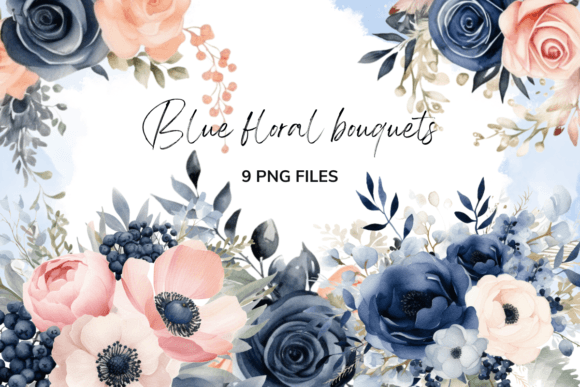
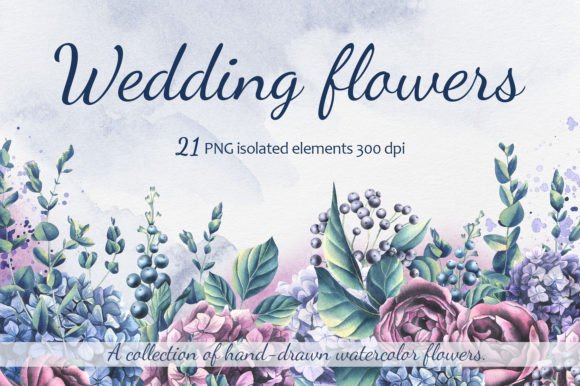
Consider the practical applications for a small business owner. A florist could use these botanicals on their website, social media posts, and printed business cards to create a cohesive and recognizable brand. A graphic designer might incorporate them into client projects for editorial layouts, poster designs, or digital product mockups. The included elements—roses, hydrangeas, leaves, ornamental berries, eucalyptus branches, and even charming details like bows and paper tags on laces—provide a complete toolkit for assembling compositions that feel both intentional and artfully arranged.
Integrating Botanicals into Your Brand Identity
Using floral illustrations in branding requires a bit of strategy to avoid looking generic or overly decorative. The key is to align the style of the artwork with your brand's personality. Soft, watercolor florals often convey warmth, authenticity, and craftsmanship. They are particularly effective for brands in the wedding industry, wellness, boutique retail, artisanal goods, or any business that wants to emphasize a personal, handcrafted touch.
Think about how these elements can be used beyond a simple logo. They can become part of your visual language—a recurring motif on your packaging, a subtle background pattern on your website, or the framing device for your social media graphics. This repetition builds brand recognition. When a customer sees those same gentle hydrangea hues or the distinctive eucalyptus branches, they instantly connect it with your business. It’s a form of visual storytelling that feels organic and engaging.
Practical Design Considerations and Workflow Tips
Working with high-resolution PNG files on a transparent background, as this collection provides, streamlines the design process. You can layer these illustrations over any color, photograph, or pattern without worrying about clashing backgrounds. The 300 DPI resolution ensures they look crisp and professional in print, which is crucial for projects like posters, packaging, and wedding stationery.
A few practical tips for incorporating these assets effectively:
- Color Harmony: While the watercolor palette is beautiful as-is, don't hesitate to adjust the hue or saturation in your design software to match specific brand colors or project themes. A rose illustration can shift from a classic blush to a vibrant coral with a few adjustments.
- Composition Balance: Use the larger floral clusters as focal points and the smaller elements like leaves and berries to fill gaps or create borders. The eucalyptus branches are excellent for adding linear movement and a modern, organic feel.
- Font Pairing: The elegance of watercolor florals pairs wonderfully with clean, modern typefaces. A simple sans-serif font can provide a contemporary counterbalance, while a classic serif font can enhance a traditional aesthetic. Avoid overly ornate script fonts that might compete with the detailed illustrations for attention.
Remember that digital files may display slightly differently across screens and printers. It's always wise to do a small test print if color accuracy is critical for your project, especially for items like wedding invitations where hue perfection is often desired.
From Digital to Tangible: Creative Project Ideas
The true joy of a versatile asset pack is seeing it come to life in diverse projects. Here are just a few ways you could use these wedding flower illustrations:
- Wedding Stationery Suite: Design a cohesive set of save-the-dates, invitations, RSVP cards, menus, and programs using the same floral elements to tie everything together beautifully.
- Product Packaging: Create labels, hang tags, or box sleeves for artisanal products like candles, soaps, or gourmet foods. The floral motifs add a premium, gift-ready quality.
- Digital Marketing Assets: Design eye-catching social media posts, email newsletter headers, or website banners that stand out in a crowded feed. The organic shapes and soft colors are highly engaging.
- Personal Branding & Blogging: Develop a unique visual style for your blog or personal brand. Use the illustrations to create custom graphics for your posts, sidebar decorations, or a beautiful "About Me" page.
- Editorial & Book Design: Add chapter dividers, decorative margins, or cover art to books, magazines, or lookbooks, especially for genres like romance, lifestyle, or cookbooks.
- Custom Merchandise & Gifts: Print these designs on mugs, tote bags, notebooks, or art prints for a thoughtful, personalized touch. They make wonderful gifts or sellable items for an online store.
This kind of creative font and illustration collection acts as a powerful design asset, saving you time while elevating the professionalism of your work. It empowers you to produce high-quality, visually consistent content that resonates with your audience, whether you're a solo entrepreneur or part of a larger creative team. The ability to maintain a unified aesthetic across both digital and print materials is a significant advantage in building a strong, memorable brand identity. By choosing assets that are both beautiful and functional, you invest in the long-term visual coherence of everything you create.