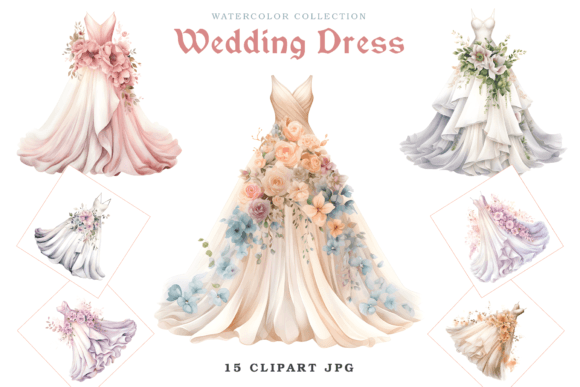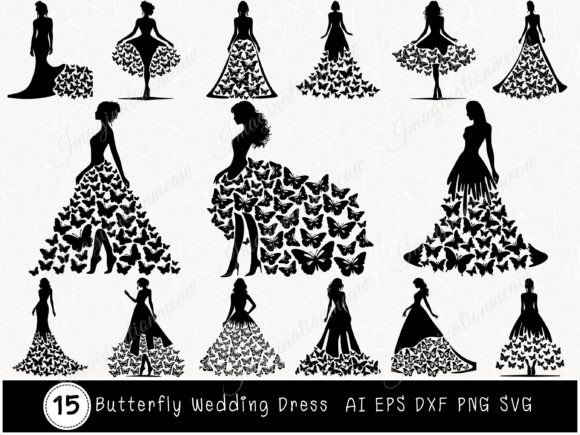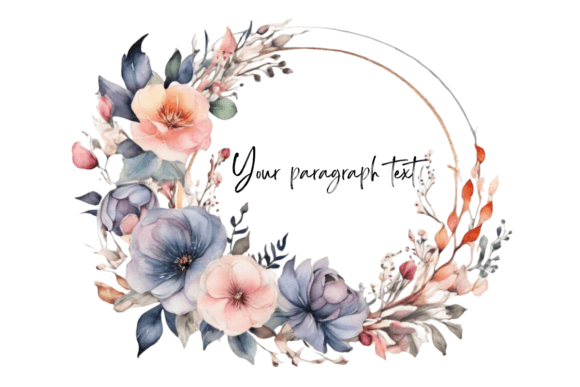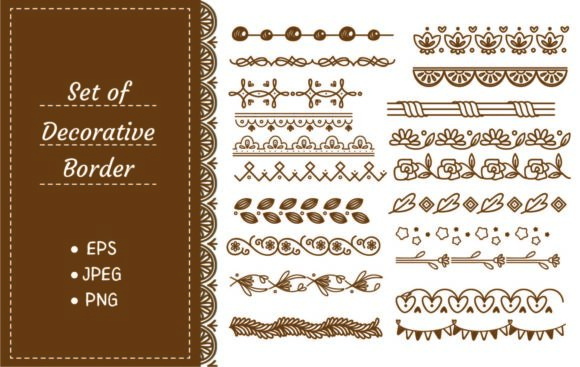
Set of Decorative Border, Wedding Design: Elevate Your Creative Projects
There's a certain magic in the details—the subtle flourish that frames a wedding invitation, the elegant divider that separates sections of a menu, or the ornate corner element that transforms a plain page into something extraordinary. A thoughtfully curated set of decorative border, wedding design elements captures this magic and puts it directly in your creative toolkit. Whether you're designing for a client's special day, building a brand with romantic undertones, or simply love incorporating ornamental details into your work, having access to high-quality decorative borders changes everything about how polished your final output looks.
Why Decorative Borders Still Matter in Modern Design
Some designers dismiss ornamental borders as old-fashioned, but that perspective misses the point entirely. Decoramental elements have experienced a massive resurgence in recent years, particularly in branding, packaging, and editorial design. Think about the wedding industry alone: couples spend thousands on stationery, and the difference between a generic template and a beautifully crafted invitation often comes down to the border work and supporting design elements.
Beyond weddings, these decorative motifs serve countless purposes. A floral border can soften the edges of a wellness brand's packaging. An intricate frame can add gravitas to a certificate or award. Art nouveau-inspired corners can give a restaurant menu an upscale, timeless feel. The versatility of a well-designed decorative set means you're not purchasing a single-use asset—you're investing in a design library that keeps delivering value across projects.
Understanding the Design Elements You'll Receive
When you download this collection, you're getting far more than a handful of pretty graphics. The set arrives in multiple professional formats, each serving a distinct workflow need. The EPS vector files open in Adobe Illustrator or CorelDRAW, giving you full control over colors, scale, and individual components. Need to recolor a floral swag to match a client's dusty rose palette? Want to resize a corner ornament for a billboard without losing a single pixel of clarity? Vector format makes all of this effortless.
The high-resolution JPG files work beautifully for quick mockups, presentations, or projects where you need a ready-to-use image without diving into vector editing software. Meanwhile, the PNG files with transparency are perfect for layering over photos, incorporating into social media templates, or dropping into design applications that don't support vector formats natively. This multi-format approach means the set integrates seamlessly into virtually any design workflow, whether you're a seasoned professional working in Illustrator or a small business owner creating graphics in Canva.
Practical Applications Across Industries
The beauty of decorative borders lies in their adaptability. Here's where designers and business owners consistently find the most value:
- Wedding Stationery Suites: Invitations, RSVP cards, save-the-dates, menus, programs, table numbers, and thank-you cards all benefit enormously from cohesive border treatments. Using elements from a single set ensures visual unity across the entire suite.
- Brand Identity Systems: Brands in the beauty, lifestyle, hospitality, and luxury spaces often incorporate ornamental details into their visual language. Decorative borders appear on business cards, letterheads, packaging, and branded collateral.
- Social Media Graphics: Instagram stories, Pinterest pins, Facebook covers, and promotional posts gain instant sophistication when framed with elegant borders. This is especially effective for event promotion, boutique shops, and influencer content.
- Website and Blog Design: Decorative dividers, section frames, and ornamental accents can break up content, highlight featured sections, or add personality to header and footer areas.
- Print Materials: Posters, flyers, brochures, catalogs, and magazine layouts use borders to create visual hierarchy, frame photography, and establish mood.
- Packaging Design: Product labels, box designs, tissue paper patterns, and shopping bag prints all benefit from decorative framing that communicates quality and care.
- Digital Products: Printable planners, journal pages, worksheets, and digital invitations represent a booming market where decorative borders add perceived value and justify premium pricing.
- Merchandise: From tote bags to mugs to phone cases, ornamental elements translate beautifully onto physical products.
Matching Decorative Elements to Your Project's Personality
Not every border works for every project, and understanding this distinction separates competent design from exceptional design. A heavily ornate, baroque-style border communicates luxury, tradition, and formality—perfect for black-tie wedding invitations or high-end jewelry branding. A simpler, more geometric decorative frame might suit a modern minimalist brand that wants just a touch of ornamentation without overwhelming clean lines.
Consider the emotional tone you're trying to establish. Romantic projects call for flowing curves, floral motifs, and delicate linework. Vintage-inspired designs benefit from art deco geometrics or Victorian-era scrollwork. Rustic or bohemian themes pair well with organic, hand-drawn-feeling borders featuring botanical elements. The key is intentionality—every decorative choice should reinforce the story your design is telling.
Color plays an equally important role. Most decorative border sets look stunning in metallic tones like gold, silver, or copper, but don't overlook the power of a single-color border in deep navy, forest green, or classic black. When working with vector files, experimenting with color takes seconds, so try multiple palettes before committing to a direction.
Tips for Working with Decorative Border Assets
Getting the most from your design assets requires a bit of strategy. Here are practical recommendations drawn from real-world project experience:
Start with your layout, then add borders. It's tempting to build your design around a beautiful ornament, but this often leads to cramped layouts or awkward spacing. Establish your content structure first, then use decorative elements to enhance—not fight—your composition.
Maintain consistent stroke weights. If you're combining multiple elements from the set, pay attention to line thickness. Mixing a hairline corner ornament with a heavy floral swag creates visual discord unless it's a deliberate stylistic choice.
Don't overcrowd your design. One of the most common mistakes with decorative elements is using too many at once. A single elegant frame often communicates more sophistication than layering five different ornamental pieces. Let the design breathe.
Scale thoughtfully. Because these assets come in vector format, you can scale them to any size without quality loss. However, extremely fine details may become illegible at very small sizes, particularly in print. Test your borders at their intended output dimensions before finalizing.
Consider negative space as part of the design. The areas between and around decorative elements contribute to the overall visual impact. Generous spacing around a border frame makes it feel intentional and luxurious rather than cluttered.
Building Visual Consistency Across Projects
One of the most valuable aspects of working with a comprehensive decorative set is the ability to maintain visual consistency. When you use elements from the same collection across a wedding suite, you guarantee that the invitation, program, menu, and place cards all feel like they belong together. The same principle applies to branding—using consistent ornamental elements across a website, social media presence, packaging, and printed materials creates a cohesive experience that strengthens brand recognition.
This consistency extends beyond aesthetics. When your audience encounters the same visual language repeatedly, they begin to associate those design elements with your brand or your client's brand. That's the foundation of effective visual identity work, and decorative borders are one of the most accessible tools for achieving it.
Licensing and Commercial Use Considerations
Before incorporating any design asset into commercial work, always verify the licensing terms. Most premium design assets come with clear commercial use licenses, but the specifics vary. Can you use the elements in products you sell? Are there restrictions on the number of end products? Can you modify the original files? Understanding these terms upfront prevents headaches later, especially if you're creating merchandise, digital products, or client work for resale.
For designers working with clients, it's also worth noting whether the license transfers with the final deliverable. Some licenses cover the designer's use only, meaning the client would need their own license for ongoing use. Clarifying this before starting a project demonstrates professionalism and protects everyone involved.
A thoughtfully designed set of decorative border, wedding design elements represents more than a download—it's a creative resource that grows with your skills and expands with your projects. From intimate wedding invitations to large-scale branding systems, these ornamental assets provide the finishing touches that separate good design from truly memorable visual communication. Keep exploring, keep experimenting, and watch how these details transform your work.