Charming Rustic Polkadot Paper: Wedding Clip Art for Every Project
There's a particular warmth to a well-chosen pattern, a quiet confidence it brings to a design. It can set a mood instantly—whimsical, elegant, cozy, or professional. For those working on projects that call for a touch of handmade charm and playful sophistication, the right design asset isn't just helpful; it's essential. This is where a thoughtfully curated set of clip art, like the Rustic Polkadot Paper collection, becomes an invaluable tool in your creative arsenal, bridging the gap between a simple idea and a polished, cohesive visual story.
A Visual Language of Charm and Versatility
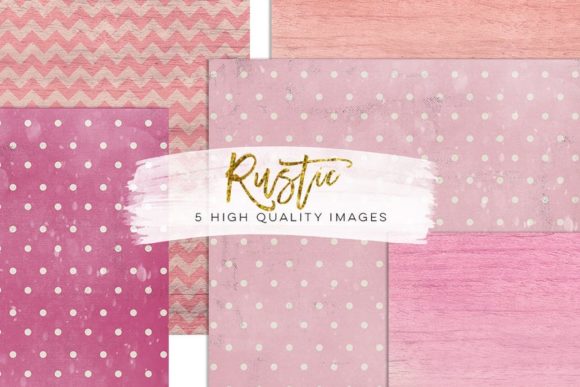
So, what exactly defines the appeal of Rustic Polkadot Paper, Wedding Clip Art? At its core, it's the successful marriage of two distinct aesthetics. The "rustic" element speaks to a natural, textured, slightly imperfect quality—think of handmade paper, wood grain, or a soft, matte finish. It feels organic and grounded. Paired with the "polkadot" pattern, which is inherently playful, rhythmic, and classic, you get a unique visual tension. This combination avoids being overly childish or too severe, striking a balance that works for everything from a heartfelt wedding invitation to a sophisticated product label. The wedding clip art aspect often implies a certain elegance and attention to detail, with patterns and textures designed to complement formal and celebratory contexts without feeling stuffy.
The true strength of this style lies in its adaptability. A single polkadot pattern on a rustic paper texture can be the background for a baby shower invitation, the surface of a coffee bag label, or the hero image on a lifestyle blog's homepage. It communicates care, personality, and a curated aesthetic, which is exactly what many small business owners, marketers, and creators strive to convey.
From Screen to Shelf: Practical Applications Across Industries
The utility of a versatile design asset is measured by how many problems it can solve. For the graphic designer juggling multiple client briefs, or the entrepreneur building a brand from the ground up, having a reliable set of textures and patterns streamlines the workflow and elevates the final output.
Consider the realm of brand identity and logo design. A logo set against a subtle Rustic Polkadot Paper background gains depth and character. It moves from being a flat icon to a story on a surface. This is particularly effective for brands in the wedding industry, artisanal food, handmade goods, boutique shops, or any business wanting to project a friendly, approachable, yet polished image. The texture adds a layer of tactile quality to digital designs, making them more memorable.
In packaging and merchandise, this clip art is a game-changer. Imagine a bakery's pastry box lined with a soft, polka-dotted rustic paper. Or a candle brand using the pattern as a sleeve around its jar. It transforms standard packaging into an experience. For merchandise like tote bags, notebooks, or apparel, the pattern can serve as the main design or a complementary accent, adding value and perceived quality to the product.
The digital space is equally receptive. For social media graphics and website design, consistency is key. Using the same set of Rustic Polkadot Paper textures as backgrounds for Instagram posts, Facebook banners, or website hero sections creates instant visual harmony. It ties disparate content together, making your feed look curated and professional. Bloggers can use it for featured images, section dividers, or quote graphics, ensuring their content is not only well-written but also visually engaging and on-brand.
For print and editorial projects, the applications are limitless. Wedding invitations, save-the-dates, and thank-you cards are obvious fits, but think further: menu designs for a rustic-chic restaurant, program booklets for an event, poster backgrounds for a local market, or the interior pages of a cookbook or lifestyle magazine. The high resolution (300 dpi) and generous size (12" x 12") ensure the designs remain crisp and clear even when printed at scale, which is a critical consideration for any professional print job.
Integrating Texture into Your Design Workflow
Having a great asset is one thing; using it effectively is another. The goal is to enhance your project, not overwhelm it. A common pitfall is applying a strong texture or pattern so prominently that it competes with your main message—be it a headline, a product photo, or a call-to-action button.
Start by considering the hierarchy of your design. The Rustic Polkadot Paper often works best as a supporting actor. Use it as a background layer and reduce its opacity slightly to let your foreground elements pop. Pair it with clean, simple typography. A strong sans-serif font can create a beautiful contrast with the organic, textured pattern, ensuring your text remains highly readable. If you're using a script or handwritten font for a more personal touch, make sure it's a legible one and consider placing it on a solid color block that sits on top of the patterned background.
Color coordination is your next tool. The beauty of a neutral, rustic paper texture is that it often comes in muted, earthy tones that act as a perfect canvas. Pull a color from the polkadot pattern and use it for your text, borders, or other graphic elements. This creates a cohesive and intentional color palette without guesswork. Don't be afraid to experiment with blending modes in your design software. "Multiply" can darken the texture for a more pronounced effect, while "Overlay" or "Soft Light" can integrate it more subtly into your base color.
Always test your designs in context. If it's a social media graphic, view it on a phone screen. If it's packaging, mock it up on a 3D template. If it's an invitation, print a proof on your home printer. This practical step reveals issues with readability, color balance, or scale that you might miss on a high-resolution monitor.
Making Smart Choices with Your Design Assets
When selecting a resource like this wedding clip art, a few practical considerations separate a good investment from a great one. First, examine the file specifications. The mention of "5 high quality images" in "JPEG files without watermarks" and a "size: 12" x 12" (3000x3000 px)" at "300 dpi" is the professional standard you should look for. This resolution is suitable for both digital use and high-quality printing, giving you flexibility.
Second, understand the licensing. For any commercial project—whether you're selling a product, creating a design for a client, or using it in marketing materials for your business—ensure the license permits commercial use. This is a non-negotiable aspect of using third-party assets ethically and legally. The freedom to use the clip art across "Art prints, Logo, Packaging, Stationery, Merchandise, Website and Social Media Banner, Book cover, Invitations, and more!" indicates a broad, valuable license.
Finally, think about font pairing and brand alignment. This textured, patterned background has a distinct personality. It pairs beautifully with a range of typefaces. For a modern, clean look, try a geometric sans-serif like Montserrat or Raleway. For a more traditional, elegant feel, a serif font like Playfair Display or Lora can be stunning. For a truly whimsical or handmade vibe, a carefully chosen script font can complete the story. The key is to choose typography that aligns with the overall message of your project. A tech startup's annual report wouldn't be the right fit, but a wedding photographer's portfolio site or a handmade soap company's product line would thrive with this aesthetic.
Ultimately, assets like Rustic Polkadot Paper, Wedding Clip Art are about expanding your creative vocabulary. They provide a foundational element that you can build upon, customize, and make entirely your own. By understanding its strengths and applying it with intention, you can transform ordinary projects into memorable visual experiences that resonate with your audience and strengthen your brand's narrative.