Botanical Charm: Designing with Eucalyptus Watercolor Frames
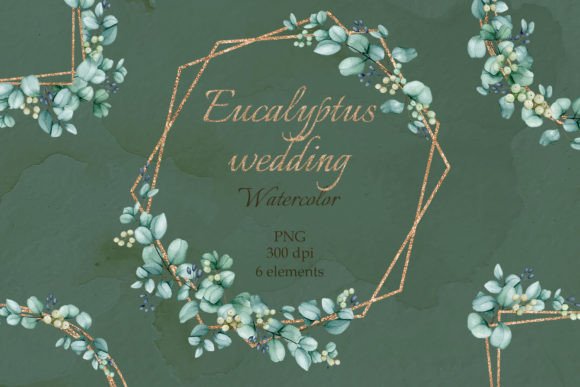
There is a reason why eucalyptus has become the unofficial greenery of modern weddings and lifestyle branding. It strikes a perfect balance between wild and refined, offering a texture that feels both organic and sophisticated. When translated into digital design assets, specifically the Watercolor Eucalyptus Frame for Wedding, this botanical element becomes a powerhouse tool for creatives. Whether you are a graphic designer putting the final touches on a bridal suite or a small business owner looking to soften your brand’s visual identity, these hand-drawn and watercolor assets offer a versatile solution that bridges the gap between digital precision and organic warmth.
The Visual Language of Organic Design
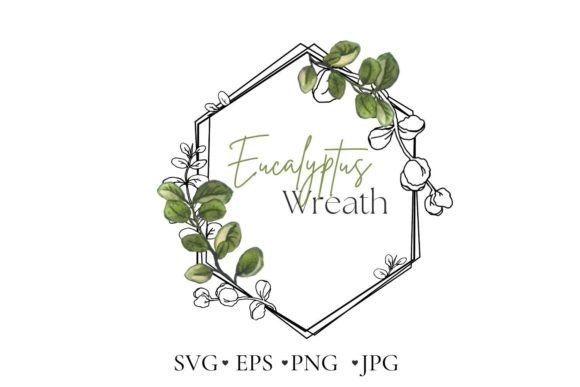
What makes a eucalyptus watercolor frame so visually appealing is the inherent imperfection of the medium. Unlike vector graphics that are mathematically perfect, watercolor textures bleed, fade, and offer varying opacities. This mimics the way light hits a leaf in nature. When you use an asset described as "Eucalyptus leaves line hand drawn and watercolor," you are introducing a tactile quality to a flat screen. The interplay between the crisp, defined line art and the soft, bleeding wash of the watercolor creates a depth that catches the eye. It signals to the viewer that there is a human touch behind the design, which is a crucial psychological trigger in an era dominated by AI-generated and overly sterile corporate visuals.
For designers, this style offers a neutral color palette that rarely clashes. Sage greens, dusty teals, and muted olives are incredibly adaptable. They act as a grounding frame for typography, allowing text to pop without competing with a chaotic background. This is why you see this style dominating the wedding industry; it is inherently romantic and timeless, avoiding the "trendy" trap that might date a design in a few years.
Practical Applications Beyond the Wedding Invite
While the keyword implies a specific use case, the utility of a high-quality floral frame extends far beyond wedding invitations. The real value lies in the file versatility—having access to JPG, SVG, EPS, and PNG formats at 300 DPI opens up a world of possibilities for both digital and print production.
For the small business owner, consider the power of packaging design. If you sell handmade soaps, candles, or artisanal foods, wrapping your product in a label that features a delicate eucalyptus frame instantly communicates "natural" and "high-quality" without a single word. The SVG and EPS vector files are particularly useful here, allowing you to scale the frame to fit a tiny lip balm tube or a large shipping box without losing image quality.
Content creators and bloggers can leverage these assets for social media consistency. Imagine using the frame to highlight quotes on Instagram, or as a border for Pinterest pins. It creates a cohesive visual thread that makes your feed look curated and professional. Because the assets are often available with transparent backgrounds (PNG), they are easy to overlay on top of textured paper backgrounds or photographs, adding a layer of editorial sophistication to your content marketing.
Strategic Branding and Visual Consistency
Visual consistency is the bedrock of brand recognition. When a customer sees your logo, your packaging, and your website, they should feel a sense of familiarity. Incorporating a specific design asset like a watercolor eucalyptus frame into your brand assets can help achieve this.
For example, a wellness coach or a yoga studio might use the frame on their business cards, their website headers, and their email newsletter templates. This repetition builds trust. It tells the audience that you care about aesthetics and details. In the realm of digital products, such as PDF guides, e-books, or online course worksheets, using these frames to border your content elevates the perceived value of the information inside. It transforms a standard document into a premium product.
Furthermore, the "line hand drawn" aspect of these illustrations pairs exceptionally well with modern typography. A clean, sans-serif font used for headlines sits beautifully inside a chaotic, organic watercolor frame. This contrast—modern versus classic, digital versus analog—is a fundamental principle of effective graphic design that helps guide the reader's eye.
Technical Considerations for Professional Results
To get the most out of these design assets, you need to understand the technical specifications. The mention of "300 DPI" is vital for anyone working in print. Screen resolution is typically 72 DPI, which looks fine on a monitor but will appear pixelated and blurry when printed. For professional printing—whether it’s a poster, a flyer, or a high-end wedding suite—you need that 300 DPI resolution to ensure the ink dots are dense enough to create a sharp image.
When selecting your files, choose the format that matches your software and intent:
- PNG: Best for web use and drag-and-drop simplicity. The transparency allows for easy layering in tools like Canva or Photoshop.
- JPG: Good for quick previews or backgrounds, though be mindful of the white background if you need to layer it.
- SVG/EPS: The gold standard for professional designers using Adobe Illustrator or Affinity Designer. These vector formats allow for infinite scaling and easy color editing.
Always ensure you are reviewing the licensing of the clip art. If you are creating merchandise for sale (like t-shirts or mugs) or templates for resale (like wedding invitation templates on Etsy), you need to verify that the license permits commercial use. Most premium assets do, but it is a crucial step in protecting your business legally.
Matching Aesthetics to Project Goals
Choosing the right design element is about context. A Watercolor Eucalyptus Frame for Wedding works beautifully for a bridal shower, a baby shower, or a botanical garden event. However, it can also be adapted for corporate wellness programs or organic food branding if styled correctly.
Pay attention to the density of the frame. A full, lush circle of leaves works well as a central focal point for a logo or a wax seal design. A loose arrangement of scattered leaves might work better as a subtle background texture for a website hero image. Look for assets that offer variety, such as corner pieces or side borders, which give you more flexibility in layout design.
Ultimately, these assets are tools for storytelling. They allow you to evoke a specific mood—freshness, growth, elegance, and nature—without needing to commission a custom watercolor painting. By integrating these hand-drawn elements into your digital and print projects, you bridge the gap between the virtual and the tangible, creating designs that feel personal, professional, and enduringly beautiful.